
Pursuit of Jade: Choices, Consequences, and a Finale That Hits Hard
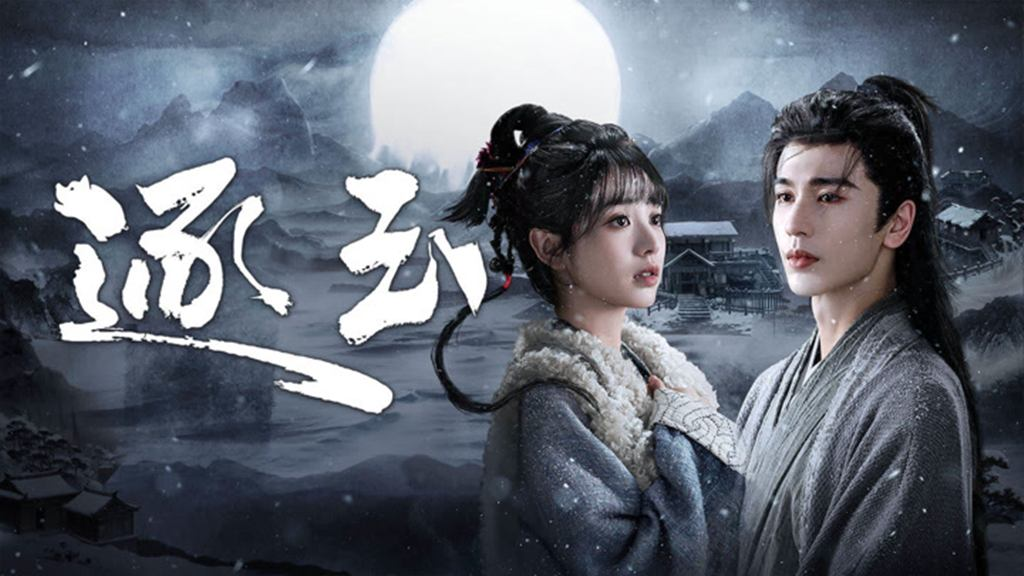
Pursuit of Jade is a new Chinese historical romance starring Zhang Linghe and Tian Xiwei, blending a contract marriage storyline with revenge and war.
The historical romance drama Pursuit of Jade, has officially premiered, and the first five episodes already give viewers a clear sense of the story’s direction. After watching the opening chapters, the overall impression can be summarized quite simply: the series is engaging and surprisingly easy to binge.
Adapted from the popular novel by Tuanzi Laixi (originally titled The Marquis’s Wife and the Butcher’s Knife), the drama tells the story of Fan Changyu, a butcher’s daughter who loses her parents and must take responsibility for her family, and Xie Zheng, a fallen marquis hiding his identity while seeking revenge for a massacre that destroyed his family years earlier.
Their encounter begins during a snowstorm, leading to a marriage that initially serves practical purposes for both of them. What starts as a strategic arrangement slowly evolves into genuine affection as the two navigate danger, war, and political intrigue together.
Pursuit of Jade (2026) – Drama Details
- Drama: Pursuit of Jade (逐玉)
- Starring: Zhang Linghe, Tian Xiwei
- Genre: Historical, Romance
- Episodes: 40
- Episode Length: ~45 minutes
- Release Date: March 6, 2026
- Where to Watch: iQIYI, Tencent Video (WeTV), Netflix
Where to Watch Pursuit of Jade?
Viewers can watch Pursuit of Jade on several major streaming platforms. The drama premiered on March 6, 2026, and is currently available on iQIYI International and Tencent Video (WeTV) in China. For international audiences, the series is also streaming on Netflix in selected regions with subtitles.
Story Overview
Pursuit of Jade tells the story of Fan Changyu, a butcher’s daughter, and Xie Zheng, a fallen marquis seeking revenge.
Fan Changyu is a determined young woman who refuses to surrender to hardship after the death of her parents. In order to protect her younger sister and her family’s livelihood, she takes charge of the household and continues running the butcher business.

When she rescues a severely injured stranger during a winter storm, circumstances push them into an unexpected marriage. That stranger turns out to be Xie Zheng, a nobleman forced to live in hiding while he waits for the right moment to avenge his family.
As their relationship deepens, the couple eventually finds themselves fighting on the same side — both on the battlefield and against the conspiracies that shaped their pasts.
Zhang Linghe’s Performance Shows a Different Side
For his role as the fallen marquis Xie Zheng, Zhang Linghe reportedly lost around fifteen kilograms to portray the character’s weakened physical condition during the early episodes.
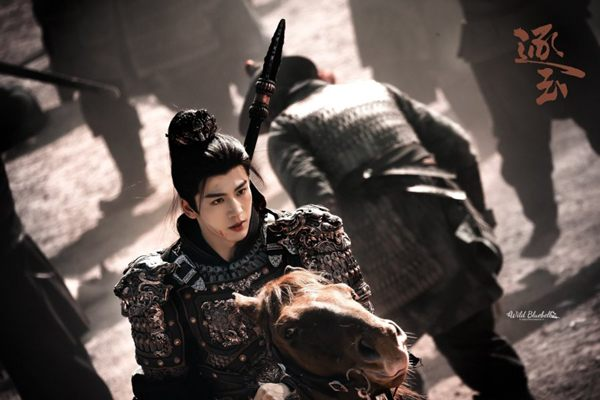
Unlike his role in My Journey to You, where his character’s development followed a more traditional heroic arc, Xie Zheng is a man who has endured years of silence and restraint while carrying the burden of revenge.
This duality becomes especially visible in the character’s transformation. Early on, he appears fragile and cautious while hiding his true identity. Yet when he gradually reclaims his position as the Marquis of Wu’an, the shift in his demeanor becomes noticeable — particularly through subtle changes in his gaze and body language.
Tian Xiwei’s Bold Heroine Brings Fresh Energy
Tian Xiwei’s character Fan Changyu stands out immediately thanks to her unconventional background.
Instead of coming from nobility or scholarly circles, she is introduced as a butcher’s daughter who is physically capable and emotionally straightforward. One memorable line quickly caught the attention of viewers when she confidently tells Xie Zheng, “I’ll slaughter pigs to support you.”
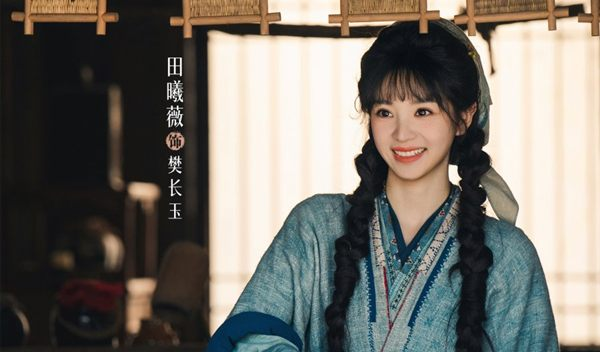
The line not only reflects her profession but also reveals her straightforward personality and determination. Compared to more traditional historical drama heroines, Fan Changyu’s practicality adds a refreshing contrast.
Her character also introduces a unique dynamic: she can manage a business while eventually stepping onto the battlefield herself. This blend of everyday livelihood and martial strength gives the story a slightly comedic yet empowering tone.
Pursuit of Jade – Chemistry Between the Leads
One of the most discussed aspects of Pursuit of Jade so far is the chemistry between Zhang Linghe and Tian Xiwei.
Promotional footage and early scenes show a relationship that gradually moves from cautious cooperation to genuine emotional connection. Their interactions often balance humor and tenderness, especially as the contract marriage slowly turns into a sincere partnership.
Moments such as their playful arguments, quiet mutual support, and brief romantic scenes hint at the emotional direction the series may take in later episodes.
Strong Supporting Cast Expands the Story
Beyond the main couple, Pursuit of Jade features a notable supporting cast, including Ren Hao as Li Huai’an, Kong Xueer, Deng Kai as Qi Min, Liu Lin as Zhao Da Niang, and Yan Kuan as Wei Yan.

These characters introduce additional narrative layers involving political rivalry, family relationships, and military conflicts. Their presence helps expand the story beyond a simple romance, giving the drama a broader historical backdrop.
Visual Style and Production Choices
Despite the generally positive reception, the drama has also received some criticism from viewers.
Some audiences pointed out that the heavy use of beauty filters occasionally softens the visual texture too much, making close-up shots appear overly polished. Others felt that certain props and set designs — particularly snow scenes and village environments — look somewhat artificial.
While these production choices do not overshadow the narrative, they slightly reduce the sense of realism that historical settings often rely on.
A Finale That Feels Complete… Yet Incomplete
One of the most discussed aspects of the ending is its emotional tone.
Although the narrative ties up major storylines, many viewers felt a subtle sense of incompleteness. This is not due to poor storytelling, but rather the drama’s intentional approach to portraying realism over idealism.
The ending suggests that while the characters reach a form of resolution, their journey leaves behind emotional weight — a reminder that not all conclusions feel fully satisfying, even when they are logically complete.
Xie Zheng and Fan Changyu’s Relationship Explained
The core of the drama revolves around the dynamic between Xie Zheng and Fan Changyu.
Xie Zheng: Love as Control
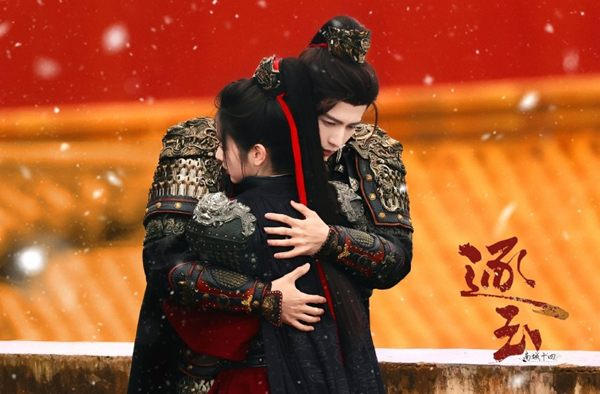
Xie Zheng’s love is often portrayed as deep and devoted, but beneath that devotion lies a stronger element — control.
He does not simply want to be with Fan Changyu; he wants to shape and manage the relationship itself. From protection to decision-making, he rarely allows the relationship to exist outside his influence.
This reflects his personality and position: someone accustomed to responsibility, authority, and carrying the consequences of decisions alone.
In essence, his approach to love mirrors his approach to power.
Fan Changyu: Choosing Identity Over Dependence
Fan Changyu’s decisions are not purely about love or sacrifice — they are about identity.
While many viewers interpret her actions as a conflict between love and reality, her choices are better understood as a conscious decision about who she wants to become.
She understands that entering a deeply controlled relationship could cost her sense of independence. Therefore, her distance is not avoidance of love, but rather a form of self-preservation.
Her emotional restraint reflects awareness rather than hesitation.
Themes: The Cost of Choices
Throughout the drama, repeated time skips, misunderstandings, and missed opportunities are not just narrative devices.
They serve a deeper purpose: illustrating the cost of choices.
Every decision made by Xie Zheng leads to a sacrifice in intimacy, while Fan Changyu’s choices come with the burden of uncertainty. Their relationship evolves not through perfect timing, but through accumulated consequences.
This is why the ending feels realistic — it is built upon everything that came before it.
A Realistic Take on Love and Power
One of the most misunderstood aspects of Pursuit of Jade is how it blends emotional storytelling with a highly rational underlying message.
Lines that appear romantic on the surface often carry deeper implications about certainty, stability, and control in an unpredictable world.
In this sense, love is not portrayed as purely emotional — it becomes something that must be secured, maintained, and negotiated within the constraints of reality.
The “happy ending” is therefore not a miracle, but a balance achieved after conditions are met.
Final Thoughts on Pursuit of Jade Ending
The ending of Pursuit of Jade may not deliver a traditional sense of closure for all viewers, but it succeeds in presenting a layered and thought-provoking conclusion.
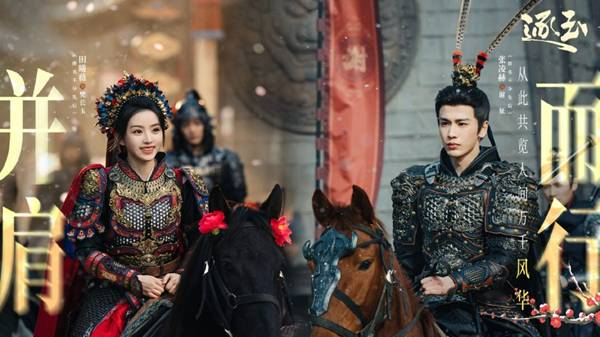
Rather than focusing on ideal romance, the drama explores:
- The complexity of human relationships
- The balance between control and independence
- The consequences of personal choices
- The limits of love within real-world structures
Ultimately, the story of Xie Zheng and Fan Changyu is not just about romance — it is about how individuals navigate power, identity, and sacrifice within a structured world.
For viewers, the lingering feeling after the finale is not dissatisfaction, but reflection.
Final Verdict
Pursuit of Jade delivers a finale that is emotionally subtle, intellectually layered, and open to interpretation. While it may leave some viewers wanting more closure, it succeeds in offering a meaningful conclusion grounded in realism rather than fantasy.
If you have already started watching Pursuit of Jade, what are your first impressions of the drama so far? Feel free to share your thoughts in the comments below.
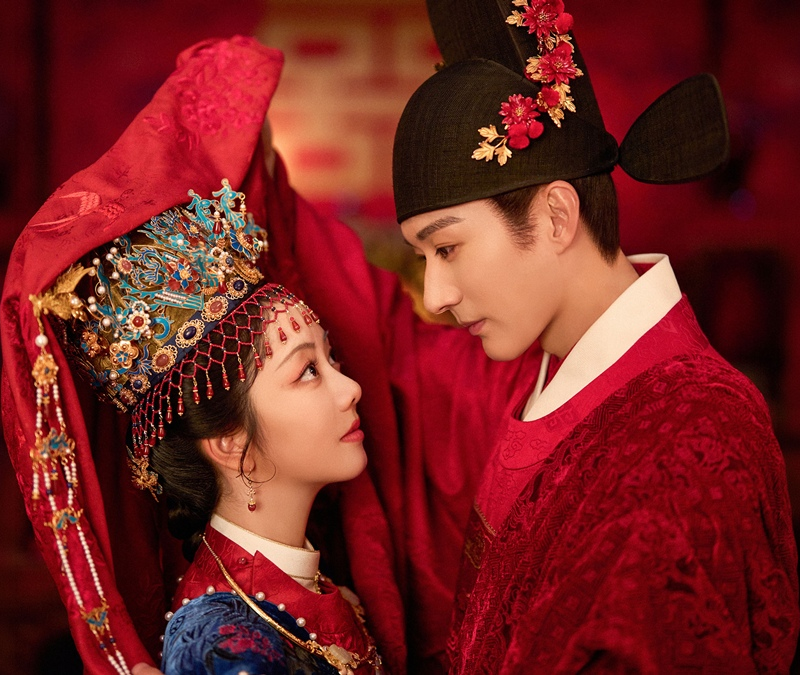
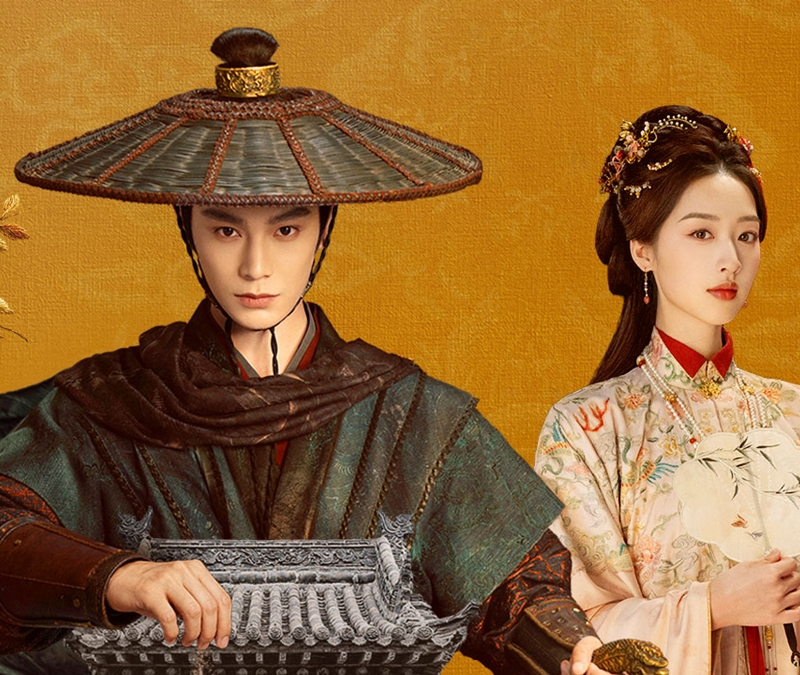
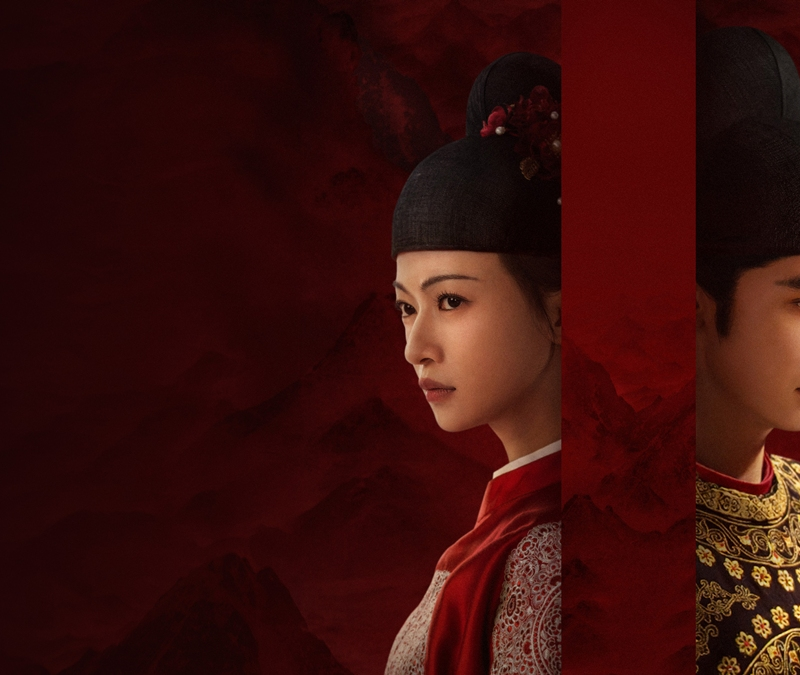
The drama has a fresh perspective on an historic romance drama: the FL has strong martial arts but poor education. The actors including the little girl (sister) deliver strong performances. The romance between the leads is intense. The drama has some good comic relief, which I find unusual in Chinese drama (often slapstick). The villains, especially, the psychopath, illicit great tension and suspense.
I agree with others that the final third lacks the sterling appeal first two thirds. Some quibble about the FL ascendency to commander (general), but that is explained as part of the evildoer’s scheme.
I like the script writers foregoing the love triangle trope. I highly recommend the drama for the superb acting and emotional intensity.
Thanks for such a thoughtful and detailed comment!
I completely agree—the drama really stands out with its fresh take on the historical romance genre, especially with a female lead who is strong in martial arts yet not traditionally “refined.” That contrast adds a unique layer to her character.
And yes, avoiding the typical love triangle trope was such a refreshing decision!
Really appreciate you sharing your insights—this kind of discussion makes the drama even more enjoyable 😊