Love Story in the 1970s: The Slow-Burn We Needed
While holiday films compete at the box office, Love Story in the 1970s quietly premiered on prime-time television—and quickly gained buzz. This Love Story in the 1970s review explores its slow-burn romance, realistic heroine, nostalgic setting, and the emotional depth behind its rising popularity.
At first glance, it may look like another nostalgic melodrama. Instead, it delivers a grounded, emotionally intelligent romance that feels unexpectedly fresh.
In an age of fast-paced relationships, this drama moves like a handwritten letter from the past—slow, warm, and sincere.
Story Overview
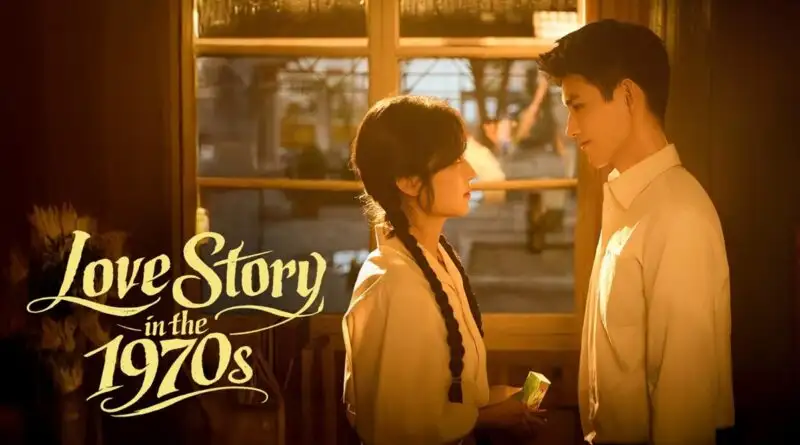
Love Story in the 1970s is set during the late 1970s, a time of social transition and shifting personal ambitions. Fei Ni (Sun Qian), a factory worker with dreams of attending university, is determined to change her future despite limited opportunities. Practical and clear-minded, she carefully navigates workplace politics and housing pressures while holding onto her long-term goals.
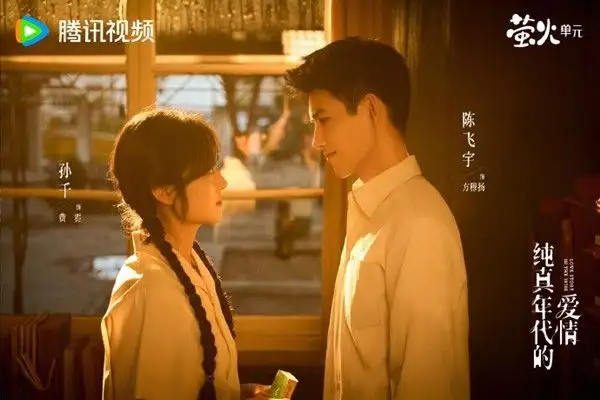
When her childhood friend Fang Muyang (Chen Fei Yu) returns injured and suffering from memory loss, circumstances bring them under the same roof. What begins as a strategic arrangement soon evolves into something deeper. While Fei Ni approaches their relationship with realism and caution, Fang Muyang quietly sees it as a second chance at first love.
Against the backdrop of communal living spaces, factory routines, and modest daily struggles, their relationship grows gradually—built not on dramatic declarations, but on shared resilience and quiet understanding.
A Practical Heroine Who Redefines Romance
Fei Ni, portrayed by Sun Qian, is not a naïve dreamer nor a dramatic romantic lead. She is clear-headed, strategic, and determined to change her fate through education.
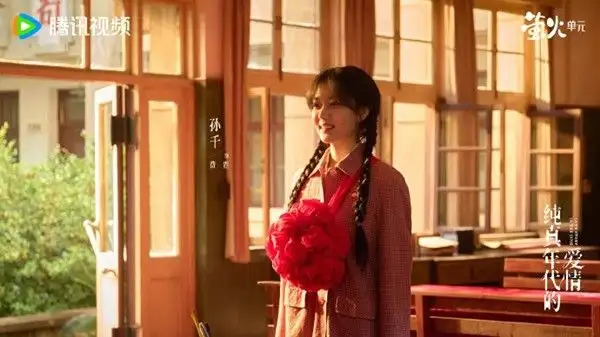
Set in the late 1970s, she works in a factory and initially cares for her injured childhood friend Fang Muyang (Chen Feiyu) with a practical goal—earning a recommendation for university. When that fails and housing pressure rises, she proposes a fake marriage.This decision doesn’t come from impulse but survival instinct.
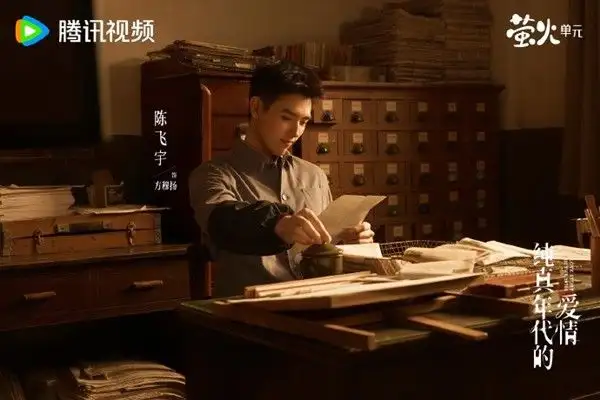
The twist? Fang Muyang has secretly loved her for years. While she treats the marriage as a contract, he sees it as a second chance at first love. This emotional imbalance refreshes the familiar “marriage before love” trope. She focuses on stability; he quietly courts her through small gestures like drawing for her daily.
There are no dramatic sacrifices—only two people learning to support each other in tight living quarters. The romance feels earned, not manufactured.
A Period Setting That Feels Warm, Not Heavy
Many historical dramas amplify hardship. Love Story in the 1970s takes a softer approach.
Directed by Chen Chang, the series uses warm tones and detailed set design to recreate the era without overwhelming viewers with suffering. Factory walls, public bath steam, handwritten notices, and vintage bicycles create immersion without exaggeration.
Romance appears in small improvisations: diluted soy sauce becomes a symbolic wedding toast, and food scarcity turns into shared dreaming about the future.
The 1970s here feel vibrant rather than bleak. Young people cook in hallways, talk on rooftops, and gather around radios. The atmosphere transforms nostalgia into something stylish and emotionally accessible.
A Secondary Couple With Intense Emotional Tension
The side pairing brings a sharper edge to the story.
Fang Mujing (Guo Xiaoting) and Qu Hua (Wang Tianchen) portray a restrained and complex adult relationship.

He is drawn to her resemblance to a lost love. When she realizes she is merely a substitute in his heart, she does not create chaos. Instead, she responds with quiet composure.Their relationship thrives on tension and emotional chess. Sharing space yet remaining emotionally distant, they deliver some of the most layered performances in the drama.
After previously working together in The Road of Life, their chemistry feels natural and controlled. Subtle glances often say more than dramatic declarations.
Audience Reactions After the Finale of Love Story in the 1970s
Spoiler Warning: The following review contains spoilers for Love Story in the 1970s.
With its final episode now aired, Love Story in the 1970s ended on a warm and reassuring note. Fei Ni and Fang Muyang eventually build a family together and welcome a daughter, while Fei Ni achieves her long-held dream of entering university through her own determination. Their ending reflects the drama’s central theme — that perseverance and sincerity can slowly transform ideals into reality.
Among the cast, Sun Qian received the most praise for her portrayal of Fei Ni. Viewers widely applauded how naturally she captured the character’s resilience, portraying not an idealized heroine but an ordinary woman determined to change her fate.

At the same time, Chen Feiyu’s performance as Fang Muyang sparked more mixed reactions online. Some audiences appreciated his restrained approach, while others felt the character’s emotional depth could have been expressed more strongly in certain key scenes.
Despite the divided opinions surrounding individual performances, the drama ultimately leaves a lasting impression through its grounded storytelling and its sincere portrayal of love and personal growth in a changing era.
Final Thoughts
In the end, Love Story in the 1970s succeeds not because it relies on grand twists or exaggerated drama, but because it quietly captures the resilience of ordinary people. Through Fei Ni and Fang Muyang’s journey, the series reminds viewers that love in difficult times is rarely dramatic — it grows slowly through patience, sacrifice, and shared hope. That understated sincerity is exactly what makes the story linger long after the final episode.
For viewers tired of artificial sweetness, this C-drama offers a slower, more thoughtful kind of romance—one that lingers long after the episode ends.
After watching this heartfelt drama, which performance stood out the most to you? Feel free to share your honest thoughts in the comments below.